
¿qué estás buscando?
?
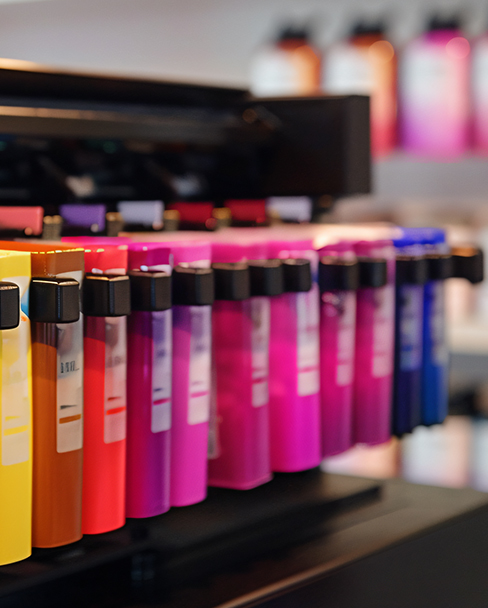
Explicación de las cintas TTO: ¿Cómo reducir los residuos y disminuir el coste por impresión?
| Escenarios de aplicación | Cartera optimizada recomendada |
|---|---|
| Impresión de fecha/número de lote en la fábrica de alimentos | Cinta a base de cera + Paso variable + Impresión por zonas |
| Impresión de códigos regulatorios farmacéuticos / códigos QR | Sistema híbrido doméstico de banda base + optimización de temperatura + verificación del sistema MES |
| Impresión para envases de plástico de productos químicos de uso diario. | Cinta de resina de película delgada + Calibración de tensión + Compra al por mayor |
| Escenario de producción en lotes pequeños y con gran variedad | Reutilización de restos de cinta + Modo de depuración + Cinta estrecha |
Optimización técnica
Selección de consumibles
Selección de cintas según el escenario: utilice cintas a base de cera para el etiquetado estándar y cintas híbridas de marcas nacionales para el embalaje general de plástico, a fin de evitar la redundancia innecesaria en el rendimiento de las cintas de gama alta.
Priorice las cintas de base delgada de 4,5 μm: estas ofrecen un coste de adquisición un 20 % menor para la misma longitud de rollo.
Compra al por mayor: Adquiera un suministro para 3 meses al por mayor y disfrute de un descuento del 10% al 15%.
Eficiencia de la gestión
Mantenimiento regular: Limpie periódicamente los cabezales de impresión y calibre los rodillos de presión para reducir el desperdicio causado por la rotura de la cinta y las reimpresiones.
Recuperación de material: Utilice los 5-10 metros de cinta restantes en el núcleo para la calibración y prueba del sistema, evitando así la necesidad de desechar rollos completos.
Integración con el sistema MES: Interfaz con el sistema MES para verificar automáticamente los datos de impresión, reduciendo así la tasa de errores y la necesidad de reimpresiones.
En general, estas medidas pueden lograr una reducción del 30% al 50% en el costo por impresión.

Dejar un mensaje
Escanear a WeChat :

Escanear a WhatsApp :

 English
 Pусский
 Español
 Português
 العربية
 فارسی
فارسی




 IPv6 RED SOPORTADA